Pillar 3 · Research
What the research says so far, and what's underway.
Studies, trials and public funding for ibogaine, each in one sentence with its main limitation. The research is early, and most studies are small and uncontrolled.
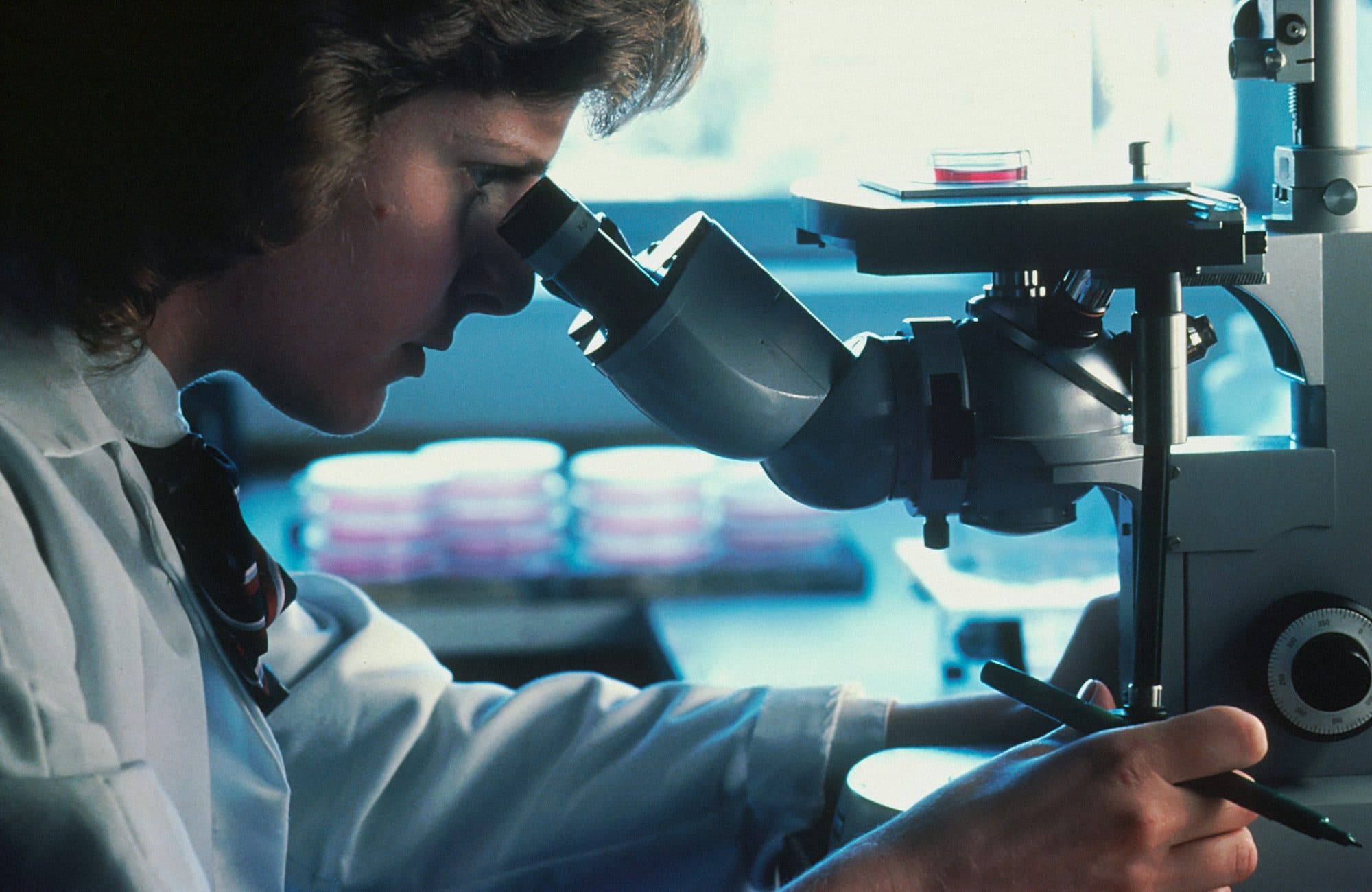
Research happening now.
Checked against each source on October 17, 2026.
Study2024
Veterans with brain injuries
Thirty Special Operations veterans reported better functioning and less PTSD, depression and anxiety a month after magnesium-ibogaine.
Small, open-label, no control group; a 2026 commentary questions its methods.
Nature Medicine (Stanford)Study2026
Alcohol use disorder in Brazil
Nine adults received ibogaine in a pilot study; most reported drinking less, and five showed changes in heart rhythm.
Open-label, no control group; only five completed.
Trends in Psychiatry and PsychotherapyStudy2022
Heart safety during opioid detox
In a Dutch hospital, ibogaine caused clinically relevant, reversible QTc prolongation and severe temporary loss of coordination.
Fourteen patients; half reached a QTc over 500 ms.
AddictionStudy2018
Twelve months in New Zealand
Where ibogaine was legal by prescription, people treated for opioid dependence reported less withdrawal and drug use over a year.
Fourteen people, no control group; one died during treatment.
American Journal of Drug and Alcohol AbuseTrial2021 to 2024
A UK trial in opioid withdrawal
A Phase 1/2a trial tested oral ibogaine in healthy volunteers, then against placebo in people withdrawing from opioids.
Listed as completed; no results posted yet.
ClinicalTrials.govTrial2026
Noribogaine cleared for US testing
The FDA accepted DemeRx's application to test noribogaine, ibogaine's main metabolite, for alcohol use disorder.
Company announcement; no patient results yet.
DemeRx, via BioSpaceTrialRecruiting
Brain imaging at UC Irvine
Researchers are scanning the brains of adults with opioid use disorder before and after ibogaine treatment they receive abroad.
Observational, about 20 people; UC Irvine doesn't provide the treatment.
ClinicalTrials.govFunding2025
Texas sets aside $50 million
A Texas law sets aside $50 million for ibogaine drug-development trials, if matched by money from outside the state.
As of October 2026, no match is secured and nothing has been paid out.
Texas Public RadioFunding2026
A federal order, and FDA questions
An executive order directed at least $50 million to state psychedelic programs; the FDA then asked for input on ibogaine trial design.
The money isn't specific to ibogaine, which remains Schedule I.
Federal Register
Summaries are ours. A study or trial listed here isn't a PACT partner or an endorsement, and none of it is medical advice. Ibogaine carries real cardiac risk; for more depth, see nekawa.com.
In Colorado
A state research pilot, waiting on funding.
Colorado's HB26-1325, signed in June 2026, creates an ibogaine research pilot within the Behavioral Health Administration. It has no state appropriation: it can run only on gifts, grants and donations. The bill
A trial comparing ibogaine with extended-release naltrexone for opioid use disorder lists a site in Basalt. It isn't recruiting yet, and a registry entry doesn't mean the FDA has cleared it. The registry entry
The politics and the people behind these changes are on the advocacy page.
What PACT does
Information, and better evidence.
Credible information
In developmentPlain-language education on ibogaine, other psychedelics and addiction, with risks stated plainly and sources cited. Start with the free courses and resources.Supporting responsible research
In developmentHelping well-designed, ethically reviewed research happen, including as ibogaine research develops in Colorado.Funding for outcome studies
In developmentRaising support for studies that follow people over time after treatment, so future decisions rest on evidence rather than anecdote.
No studies or research partnerships with PACT are confirmed yet.
Our position
A potential tool, not a cure.
We see ibogaine and other psychedelics as potential tools, not a cure or a promise of transformation. Ibogaine carries real cardiac risk, and the research is still early. That's exactly why better evidence matters.
Research should be ethically reviewed, protect participants' privacy, and report what doesn't work as well as what does.
Talk to us about research
Researchers, funders and advocates: tell us about your work and how you'd like to be involved. Please don't send participant or medical data.